
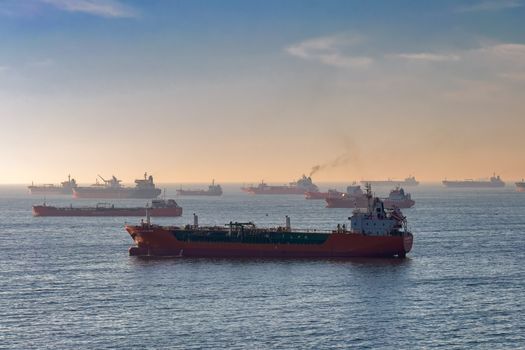
The sustained blockade of the Strait of Hormuz, a critical artery for global energy and trade, is not merely a temporary disruption but a catalyst for potentially permanent shifts in global trade routes and a focal point for diverging diplomatic strategies between the US and European nations. The market's assessment for early resolution dates of the When will traffic at the Strait of Hormuz return to normal? contract, reflecting a low probability of normalization, accurately captures the entrenched nature of this crisis. The IMF PortWatch data on transit calls remains the crucial forward trigger for market participants.
The economic consequences of the prolonged blockade are severe and far-reaching. With approximately 20% of global oil shipments and significant liquefied natural gas (LNG) volumes transiting this narrow waterway, its closure has triggered extreme volatility in energy markets, with Brent crude prices surging past $100 per barrel. This has led to increased production costs for industries worldwide, exacerbating inflationary pressures on consumers and threatening a global recession. Furthermore, the disruption extends beyond energy, impacting food security as the Middle East imports a substantial portion of its food through the Strait, leading to shortages and price increases. Shipping disruptions, higher insurance premiums, and rerouted trade flows have also escalated the cost of imports, creating a "nightmare for states heavily dependent on the Gulf States' oil and gas". Countries like Iraq have reported sharp drops in oil exports, and many companies are declaring force majeure on supply contracts. The disruption is not limited to maritime trade, with air freight also experiencing constraints and increased costs.
In response to this crisis, a notable divergence in diplomatic approaches has emerged between the United States and European powers. While the US has pursued a more assertive stance, including naval blockades, European nations, led by the UK and France, are prioritizing diplomacy and coordinated security efforts, actively resisting US pressure for a blockade. These European nations are co-hosting meetings and developing a multi-phase plan focused on diplomatic coordination, technical discussions for logistical support to stranded vessels, and, as a more sensitive and postponed option, military measures to guarantee freedom of navigation only after achieving regional stability. This European initiative underscores a growing transatlantic rift, with a shared reluctance to endorse US-led military actions and a strong emphasis on reopening the waterway through diplomatic means and multilateral frameworks. Italy, for instance, insists on working through the UN framework and de-escalation, while Portugal backs ceasefire efforts and mediation. The EU has even proposed a "Black Sea grain model" to unblock the Strait.
The prolonged disruption and the differing international responses raise questions about the potential for permanent shifts in global trade routes. The current situation has already exposed the vulnerability of supply chains reliant on the Strait of Hormuz, a chokepoint that facilitates approximately 25% of global oil maritime trade volume. The significant increase in shipping costs, longer transit times due to rerouting, and the heightened risk associated with traditional routes may incentivize the development and utilization of alternative, albeit less efficient, trade pathways. While some infrastructure exists to bypass the Strait, it can only replace a fraction of the current throughput, suggesting that any permanent shift would be a complex and costly undertaking. The market's pricing for later resolution dates of reflects the growing probability that the current disruptions may lead to a lasting recalibration of global trade dynamics.