The multi-year saga of a potential SpaceX IPO has reached its decisive moment. Following widespread speculation that fluctuated between launch-frequency milestones and service-revenue potential, the reported selection of a Nasdaq listing and the "SPCX" ticker—as confirmed in recent reporting—marks the definitive end of the "will-they-won't-they" era. More importantly, this structure signals a fundamental pivot in Elon Musk’s messaging: SpaceX is prioritizing 'industrial scale' over the previously championed 'sovereign compute' narrative.
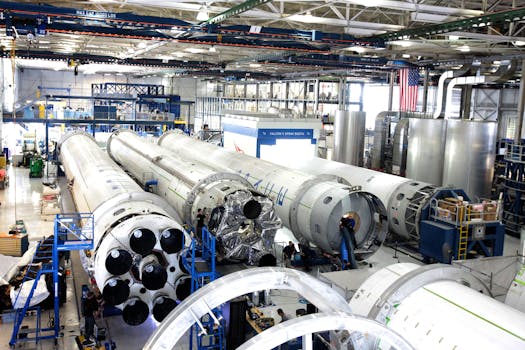
For institutional investors, this shift is not merely cosmetic; it is a pragmatic necessity. The 'sovereign compute' vision, which framed Starlink as a distributed, secure utility for AI and defense, was theoretically compelling but notoriously difficult to model. It relied on speculative metrics like future orbital data center throughput and high-margin, bespoke service contracts. In contrast, the 'industrial scale' narrative reframes SpaceX as a hardware-intensive mega-cap. It highlights the company's unprecedented manufacturing velocity—over 165 Falcon 9 launches in 2025 and the production of more than 4,000 satellites annually—and its deep vertical integration, including the "Terafab" project to manufacture custom AI chips in-house.
The recent $5.5 billion IPO of Cerebras Systems, which saw a 68% first-day pop, provided the final institutional green light. By demonstrating a massive risk appetite for vertically integrated, hardware-focused AI infrastructure, Cerebras gave SpaceX the necessary valuation benchmark. Investors now have a clear, bankable framework to apply: capital expenditure, manufacturing throughput, unit economics, and gross margins.
The choice of a standard Nasdaq listing under "SPCX" is the final piece of this puzzle. It aligns SpaceX with established mega-cap manufacturing giants like Tesla, NVIDIA, and TSMC. By pivoting from a speculative, SaaS-like compute narrative to a tangible industrial manufacturing powerhouse, Musk is inviting investors to value SpaceX on metrics that are not only defensible but also highly scalable.
The counter-argument remains that a company of this complexity is always vulnerable to market volatility. Between now and the projected June 2026 window, any cooling in the AI sector—or a hiccup in manufacturing throughput—could force a strategic delay or a structural pivot. However, the pieces of the IPO machinery appear to be fully assembled. The era of speculation is over; the era of valuation has begun.
What to Watch:
- The upcoming S-1 filing: Look for specific disclosures on "Terafab" manufacturing capacity and unit economics of Starship vs. Falcon 9 to confirm the 'industrial scale' valuation thesis.
- Regulatory milestones regarding the Nasdaq listing: Any specific conditions or delays in the exchange application process will signal internal friction or valuation disputes between SpaceX and underwriters.