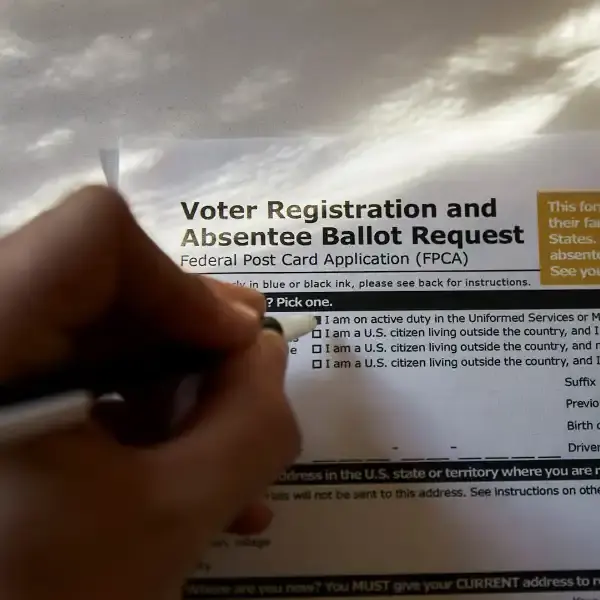
The modest and largely transactional outcomes of the recent Trump-Xi summit in Beijing (May 14–15, 2026), which failed to secure significant strategic or geopolitical breakthroughs, have forced the administration into a precarious political corner ahead of the June 1 immigration reconciliation deadline. The procedural reality—confirmed by the Senate Parliamentarian’s May 14–15 ruling that key provisions of the administration’s $72 billion immigration package violate the Byrd Rule—means the White House is now facing a legislative stalemate it cannot afford.
In the wake of a summit that provided plenty of optics but little substance—as noted in the Zero Hedge report on May 16 regarding only modest trade-related concessions—the administration’s window for a signature domestic "win" is rapidly closing. The failure to secure verifiable agreements on Iran, trade, or technology controls means the Beijing summit will not provide the performative capital necessary to mask domestic legislative failures.
The administrative response is likely to be a cull of the economic and national security portfolios. Scapegoating is a time-honored mechanism in Washington to signal vigor when policy outcomes are stagnant. By initiating a cabinet reshuffle, the administration can distract from the procedural obstruction of the immigration bill, reposition its negotiating posture, and, crucially, signal to its base that it is replacing "stagnant" personnel with "action-oriented" leadership ahead of the June 1 deadline.
The procedural obstacles here are ironclad. Senate Parliamentarian Elizabeth MacDonough has flagged multiple provisions in the Homeland Security and Judiciary committees' joint package, specifically those related to CBP operations and unaccompanied minor screening, as failing to meet reconciliation criteria. With the Senate split narrowly and Democratic leadership under Senator Jeff Merkley signaling a rigorous application of points of order, the administration lacks the 60-vote threshold to waive these objections.
The administration’s counter-argument is that it may attempt to signal stability to prioritize the June 1 immigration deadline. However, this relies on a flawed assumption: that continuity serves the deadline better than decisive action. In a budget-reconciliation environment, where the Parliamentarian's ruling has already hollowed out the core enforcement funding, a change in personnel is the only tool remaining to demonstrate control.
The immediate next procedural steps are clear: committee markups scheduled for the week of May 19 will serve as the stress test. If the leadership attempts to force non-compliant text, they will trigger points of order that delay the process past the June 1 goal. The pivot to a cabinet reshuffle will be the administration's defensive reaction to this procedural reality, intended to buy political cover while the legislative team manages the fallout from the Parliamentarian’s ruling.
Market references: